Sponsors of

Click on pictures and underscores to enlarge.

Pictures copyright wsmcars.com unless stated.

Contact us at tony@wsmcars.com

WSM - The History Part One

 
WSM S2 WSM S2 introduction and price list . .
For Sale Cars, motorhomes, wheels, windscreens and more . .
Race News Updates on WSM's in competition in the current year . .
In Competition Pictorial file in three parts of WSM's in action from 1962 to date . .

News & Archive

New contacts, forthcoming events plus archives . .
The History - Part Two The story continues to present day . .
Bentley to Sprite Pictorial file on almost everything bar WSM's that DW-S drove . .
The People A - L WSM family, racers, mechanics, painters, owners, salesmen A - L . .
The People M - Z WSM family, racers, mechanics, painters, owners, salesmen M - Z . .
 

Bristols . .

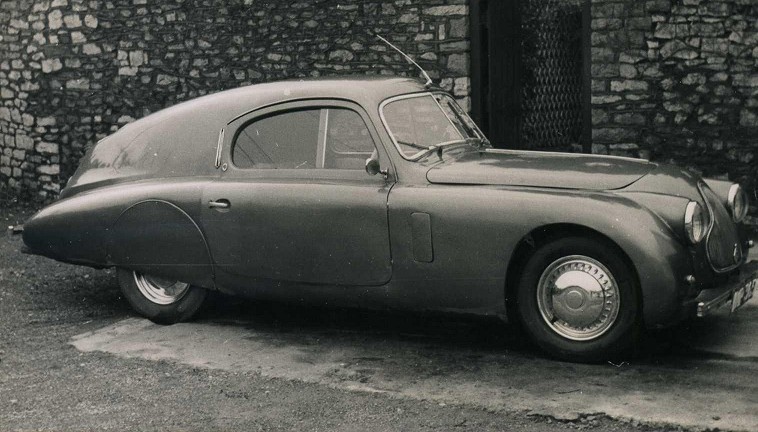
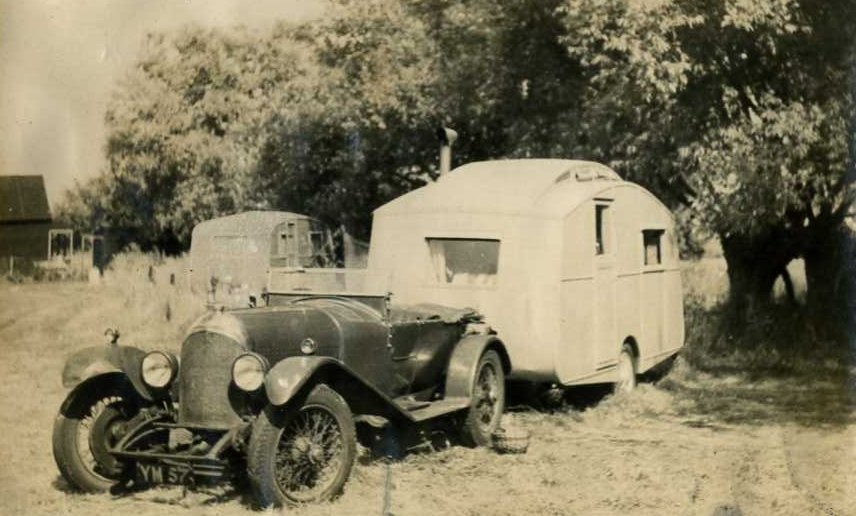
Design and performance were in the blood - aircraft, caravans, houses, motorhomes, gardens and cars received the Douglas Wilson-Spratt treatment in the pursuit of betterment in function and form. A childhood spent creating models, and an engineering background gleaned at the Bristol Aircraft company that included experience as production test driver with the car division of the same company, unearthed a passion for motorsport. A hint of the future was illustrated by boyhood bicycle races against public transport, regular visits to Hendon air displays, and later speeding tickets issued while towing caravans (right). Ownership of cars such as the ex-Lord Brabazon Mille Miglia Fiat (left), Bentley, Triumph TR and Austin-Healey Sprite lead to drawings and plasticine models created in 1961 to full size production of a lightweight and aerodynamic sports car . .

The Business . .

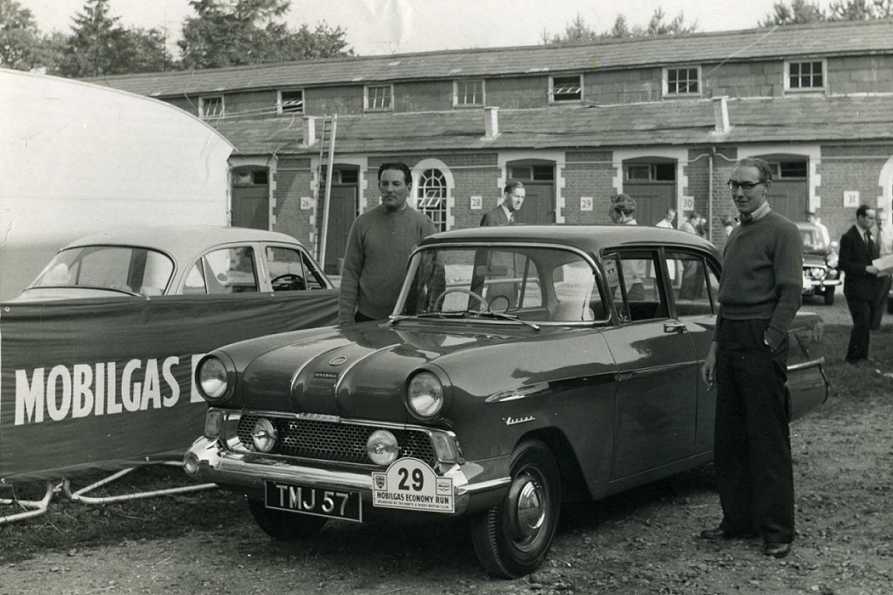
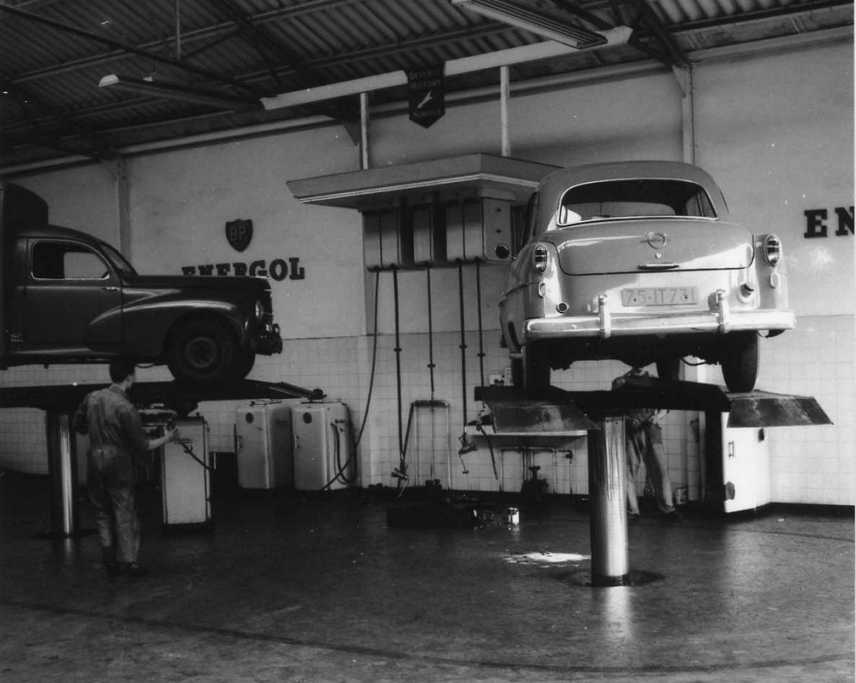
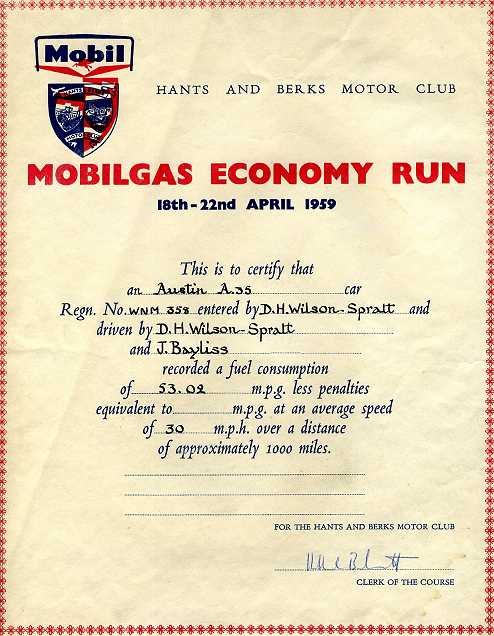
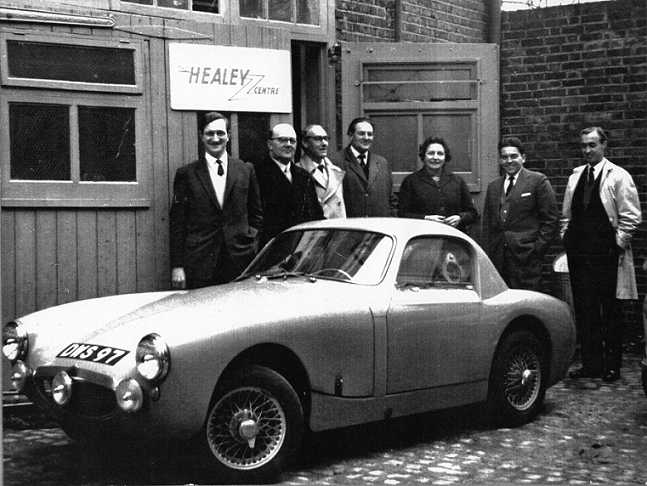
In 1954, Douglas and wife Laurette sold the Alveston-based Marlborough Caravan business and bought a Shell garage and showroom in Hockliffe St, Leighton Buzzard, Bedfordshire. Renamed 'Delta Garage' the Austin, Vauxhall and Bedford dealership was expanded and the Volvo brand was awarded. Several 'Mobil Economy' runs were completed in an A35 and Vauxhall (pictured with Delta secretary John Bayliss), and workshop facilities, including spray booth and lubrication bays, were added. Peter Jackson joined the company in 1961 to run the forecourt and workshop, and in 1962 Jim McManus brought seven years experience as Sales Manager at the Donald Healey Motor company in London. Jim was a founder member of the Healey Drivers Club, and with Douglas and Jim achieving competition success with the marque, they recognised that the Healey brand needed a presence in London aimed at performance enhancement and special tuning parts. With Donald Healey's approval, a mews property at 17 Winchester Rd in Swiss Cottage became the base for the 'Healey Centre'.

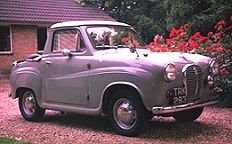
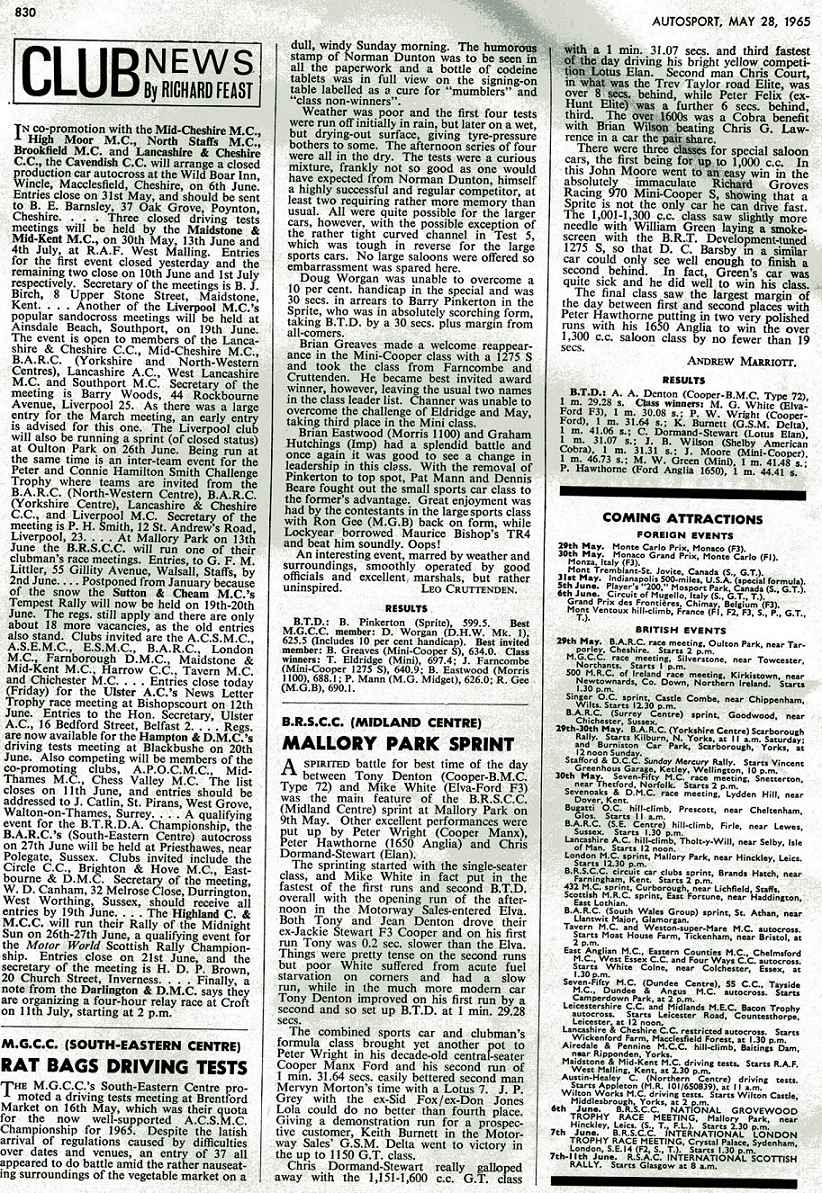
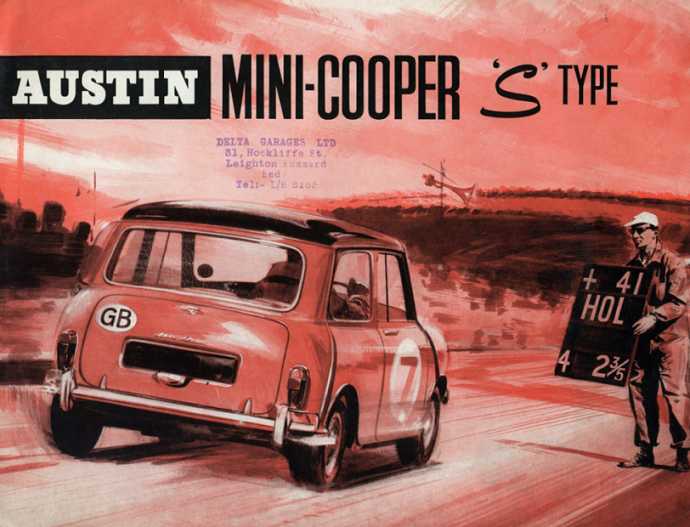
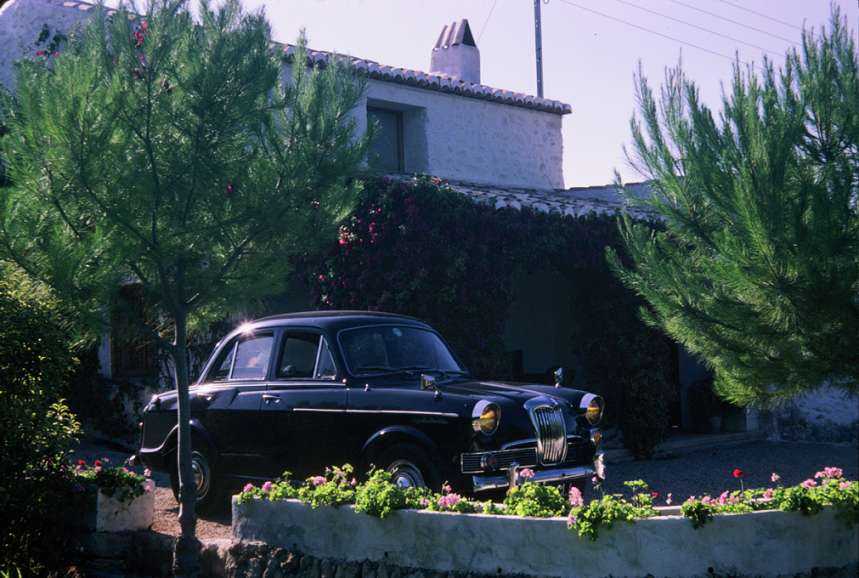
Business was brisk, and the company outgrew the mews premises and relocated within the Delta Garage property in 1963, where the Healey Centre accessory shop had been the first such performance and tuning retail outlet in the UK. The Austin Mini Cooper and Cooper S became firm favourite's, with Laurette and Douglas enthusiastically indulging in the little car's abilities on road and rally. Amongst other rarities, an A35 pick-up (pictured) was sold to Barry Pinkerton, who recalls it had a Downton tuned 977cc engine with a single SU carb, and the torque it produced prompted putting the engine in a Mark 1 Sprite for auto-testing which kept 1098cc and 1275cc Spridgets at bay - click on the Autosport page for some 1965 details. Barry also bought from Delta a 1962 Riley 1.5, pictured in 1969 after a run to Spain . .

Motorsport . .

Douglas started in 1946 with a 3 litre Bentley, and soon progressed to a 4 ½ litre car which was lightened and altered to incorporate the weight saving and aerodynamic philosophy that was to mark all his subsequent designs. Registered FBL 732, Douglas designed a new body which was fashioned by the foreman panel beater in aluminium at the Bristol Car Company. A roll bar was included in the structure, the wings were spatted and the measures resulted in the car weighing 3 cwts less than the standard item. Other projects included an Austin 7 'Chummy' which was turned into a trials car, and with an aluminium head and engine tweaked to produce 16bhp, he and friend Peter Cox had some fun.

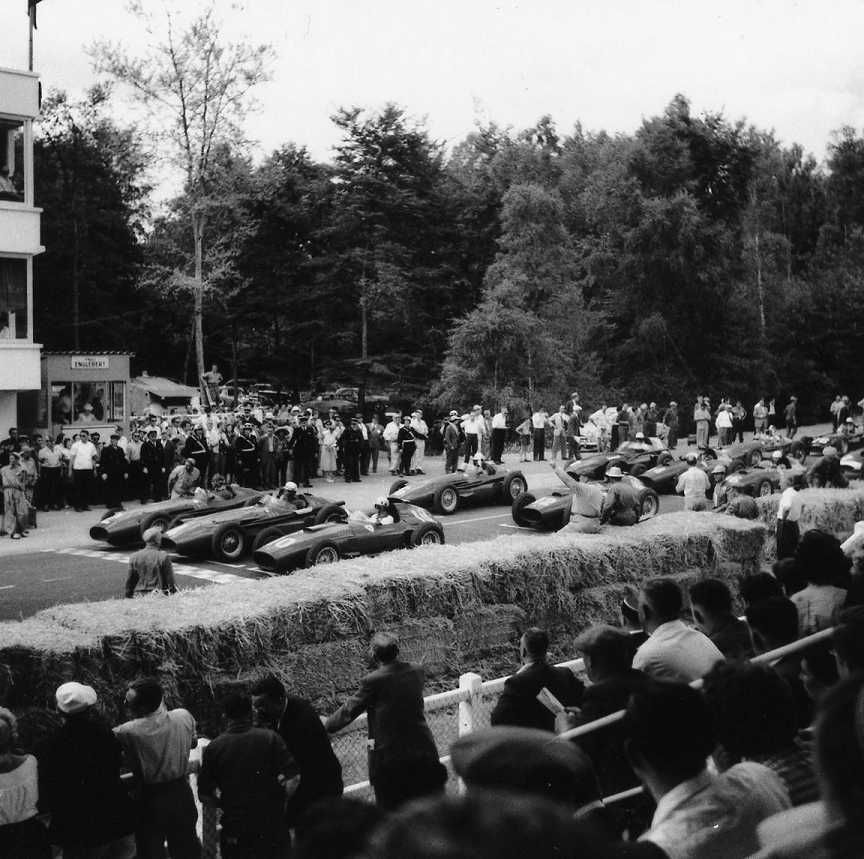
During the 1950's, Douglas and Laurette regularly drove to Europe and included Le Mans and Grand Prix in the schedule - pictured at Le Mans in 1952 is Villoresi overlooking his Ferrari, and the 1957 Grand Prix grid at Rouen with Fangio on pole. A 1955 Goodwood meeting saw Douglas at the wheel of a TR2, cork helmet to the fore, and pictured number 110 at the AMOC St John Horsfall meeting at Silverstone the same year. He took a TR2 on the Monte Carlo rally in 1958 and various marques crossed his path before he took delivery of the brand new Austin-Healey Sprite on May 16th 1958 - his competition record helped persuade the factory to let him have the car early in order to run it in at night. Registered VBM 7, he took the baby Sprite to its first recorded competition success on May 24th with navigator John Bayliss on a Sporting Owners Drivers Club (S.O.D.C) rally. The partnership of dimunitive Healey and 6', 15 stone driver would not have appeared to last past the first chicane, but further success did arrive and favourites included the 6 Hour Relay win at Silverstone in 1961 with John Sprinzel, Paul Hawkins, Peter Jackson, Ian Walker, David Seigle-Morris and Chris Williams, and numerous hill climb, sprint and auto-test wins at club level.

Douglas's enthusiastic support of the S.O.D.C. lead to a stint as President during the early 1960's, and the award of a Life Membership years later in acknowledgement of his contributions. During his tenure active membership had grown substantially and Woburn Hill Climb became a popular venue. Pictured right at an S.O.D.C awards gathering are Ken Ayres, Pat Walton (Bland), DW-S, Malcolm New, Barry Pinkerton and Derek Ayres. Rallying was perhaps Douglas's favoured brand of motorsport, and he readily admitted that concentrating on fewer disciplines may have been more sensible, but less fun. He entered the Monte Carlo rally on six occasions from 1958 to 1963, using a TR2 in '58, Frogeye in '59 and '60, Sebring in '61 and '62 and a WSM in 1963. Pictured number 167, the Sebring Sprite was specialised further by DW-S incorporating a boot lid and Rolls Royce tail lights, and later it was re-registered 598 HTM and EYE 206 when owned by opthalmologist Geoff Courtney Broome and 940 WAR when owned by Jack Scottand. Following a heavy accident, it was re-shelled into the body of XNB 712, the identity it still carries, and in 1986 the car surfaced and was restored and raced by Tony Whitehead in historic events.

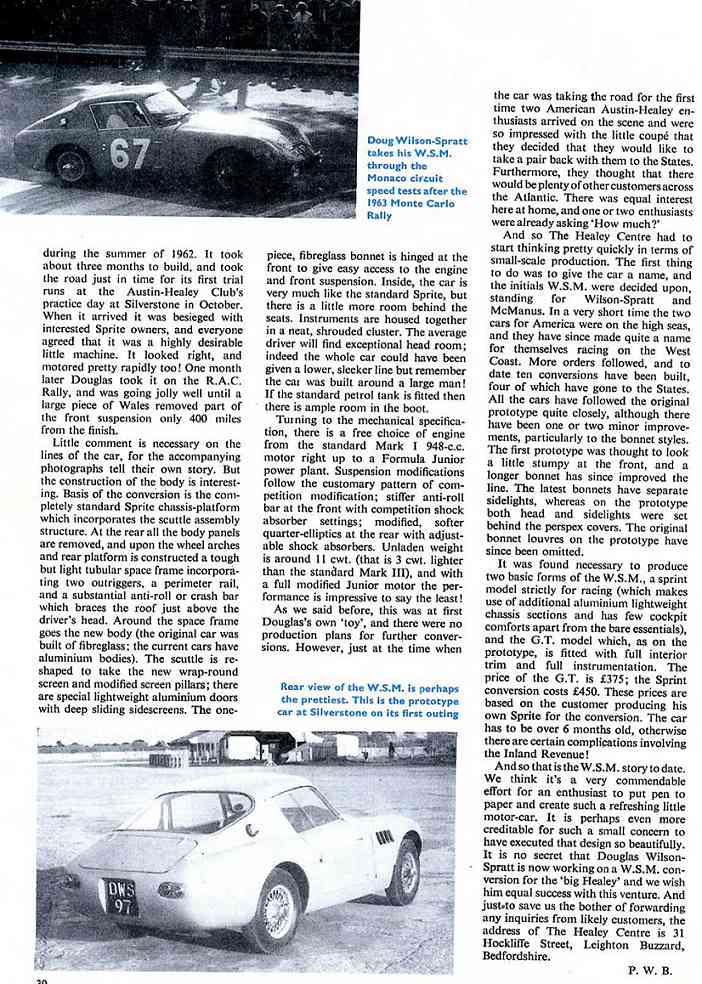
In 1959 mechanical failure spoilt the main event, but entering the Monte Cibie, a night driving test at the conclusion of the Monte Carlo on the Quay Albert 1, Douglas beat the Maurice Gatsonides TR3A to first place in his Sprite. He competed in the Coupe des Alpes in an Austin A40 and in a Sprite with an Ashley bonnet, the RAC six times until 1964, including a WSM entry in 1962 which saw suspension failure halt a stirring drive in a brand new car, and the Spa-Sofia-Liege in 1963 with Raymond Baxter in a Reliant Sabre - it had a BRM tuned Zephyr engine which gave great straight line speed but Douglas and Raymond agreed the handling was suspect. Class success was achieved in the Portuguese Grand Prix support race in a Cooper S in 1964, the Tulip rally was contested twice in a WSM, then two Acropolis entries, the first a class topping Cooper S, and then with his last drive in 1965 as a works supported effort with Peter Jopp in a Lancia . .

BXN. .

In 1961 Peter Jackson worked with Douglas at Delta Garage and was campaigning successfully his Sebring Sprite, registered 46 BXN. An accident on the Gold Leaf Rally in Wales lead to substantial fire damage and Peter decided to invest in a new bodyshell crafted by aluminium specialists Peels Coachworks of Kingston-on-Thames in London. Proprietors Alec Goldie and Fred Faulkner operated the business, with Fred having previous experience with AC cars and both men worked at Brooklands for Hawkers during WW2. With design input from Douglas, and therefore considered to be the forerunner of the WSM series, the resultant coupe with a Speedwell 'Monza' bonnet was very attractive, and Peter continued to race the car in its new guise until sold to Richard Higgins. Richard raced the car in HSCC events in the 1970's and 80's, using a 110bhp wet sump Formula Junior 1098cc engine, and changed the car's colour to red. He sold BXN to Stuart Radnofsky in 1986, who raced at the 1990 Coys Historic at Silverstone and had Andrew Haywood-Smith carry out a major rebuild prompted by a serious engine failure shortly after the Coys event. During this work, it was decided to change the colour of the car to yellow. Collector Mick Darcey purchased the car in 1994 and it joined a valuable collection of Healey's and MG's. Mick was generous in allowing the car to race in the UK but rarely found time to drive the car himself. Paul Woolmer and Malcolm Gammons were given opportunities, in particular the FISC Sprite race series of 1995 which Paul won, the 1995 Coys Historic, the WSM Re-Union in 2001 and the 2003 Goodwood Revival. In September 2004 Paul achieved a long term ambition to buy the car, and was rewarded with Goodwood Revival invitations in 2006 and 2010. The HRDC grid launched in 2011 for A-series engined cars also saw several excellent results from BXN . .

WSM 201 - Putting On The Style . .

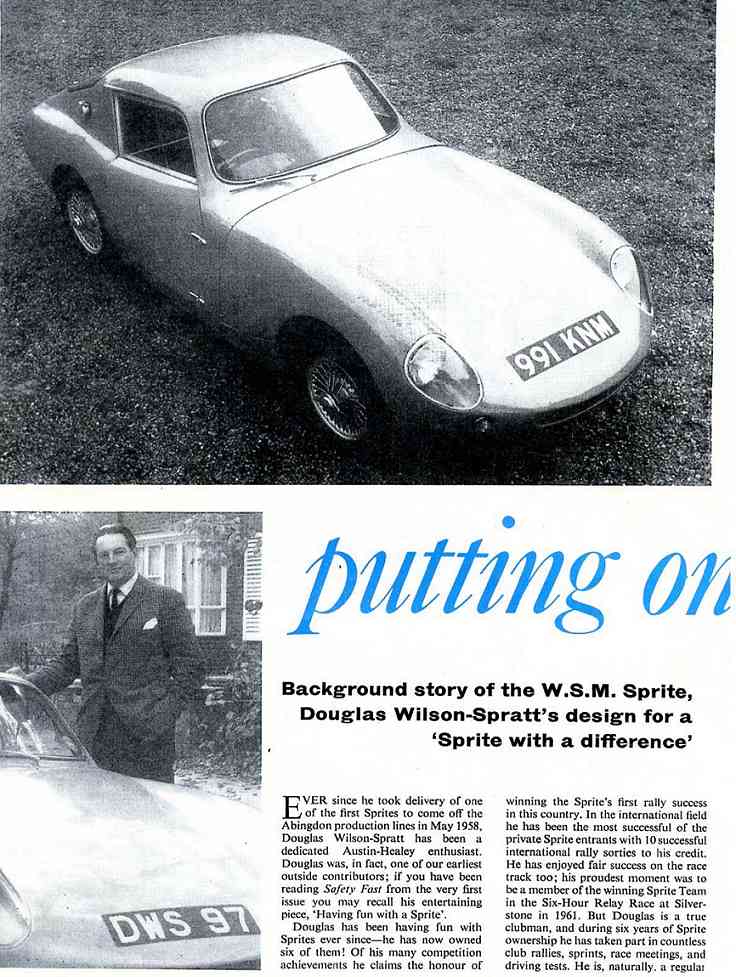
Safety Fast January 1965

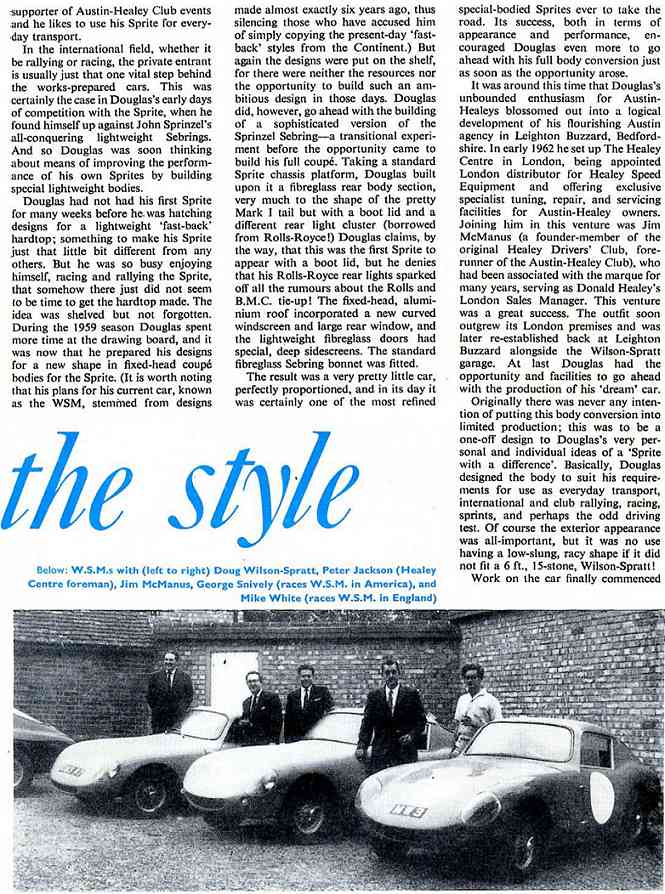
In 1962 Douglas realised the opportunity to build his own brand of sports car was available, and in league with Peels Coachworks, WSM 201 was revealed at a Silverstone track day in October. The immediate interest from potential customers caused Douglas and Jim to acknowledge that further production was viable, and sparked a production run of the Sprite based cars that included exports to the USA and paused in 1965 with the ninth car. Needing homologation forms after taking delivery of their cars, the American owners asked what the cars were actually called, so Douglas and Jim trod an already well used path in using their surname initials WSM, later to be christened 'Wuzzums' by Laurette.


WSM 201 and WSM 203 had aluminium bonnets, but subsequent cars had an aluminium body and fibreglass bonnet. There were two ultra-lightweight cars with fibreglass bodies fashioned by Ray Halsall at Delta Garage specifically for Mike White (WSM 205) a successful club racer in other marques, and Douglas (WSM 206), and a third fibreglass body was retained for future use. Four cars were exported in 1963 - WSM 203 in May to Dr Clinton Chichester in San Francisco - WSM 204 in May for Dr George Snively
in San Francisco - WSM 207 in March to US soldier Joel Nelson in New York - and WSM 210 for Dr Michael Saverino in August to Florida.

In the hands of Douglas, Mike Lewis (son-in-law), Peter Jackson, Mike White and Simon Arkless amongst others, the WSM's became prominent at race circuits throughout the UK and Europe. Mike Lewis took WSM 202 to many wins in race and hillclimb events in 1963, and also raced the ultra-lightweight 206 when Douglas could no longer compete because of disc problems in his back. The 1963 and 1965 Six Hour Relay race's saw WSM's 201 and 206 in the Sprite teams, achieving 8th and 5th, and the same cars for Peter Jackson and DW-S were transported in a converted AEC coach and entered in the 1964 German Grand Prix support race at Nurburgring on August 1st - Peter took 3rd in class and a year later took WSM 206 to 3rd in class in the Rennen 500km at the same venue.

The AEC coach (nicknamed Jumbo) registered GEA 100 was converted in 1963 by Delta Garage's craftsmen to a design penned by Douglas, complete with living accommodation up front and the ability to carry WSM's via a rear loading door. Passing through Spa en route to Nurbergring, a 6' Esso tiger stand-alone advertisement found its way onto Jumbo, and continues to this day to accompany WSM's on their travels. However, with the onset of 'modsports' grids there were fewer sightings of WSM's in competition in the late 1960's and they gradually faded from view . .

WSM's Lost . .

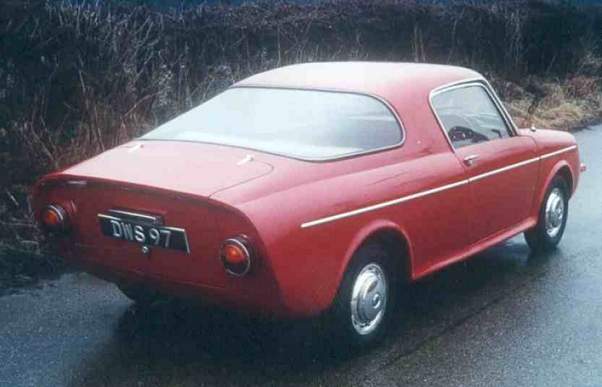
Further examples of the breed were the MG1100 (pictured) aimed at four seater comfort in 1965 with 100mph performance and 30mpg economy, the AH3000 built for Malcolm Bridgland, the MGB based on Robbie Gordon's rapid 1963 roadster, and conversion of Douglas Hull's 1959 Jaguar XK150S into an estate car.

Of the fourteen cars, the family knew that 46 BXN, WSM 202 , WSM 301 and the WSM MGB had survived up until 1995 (in 1994 Douglas viewed the WSM MGB at the Autotron museum in Holland), but a telephone call from Sprite historian Tom Coulthard to the Isle of Man in May 1995 began a chain of events that would bring WSM back into the public eye . .

Back In The Family . .

In 1965, the green WSM 301 GT was sold to Michael Royde who used the car on road (pictured left in Spain) and track, before painting yellow and moving on to Dr Churton Pauli, who in turn sold to Dr Anthony Hodsman. In 1980 Douglas was contacted by Peter Clinch, who had bought the fire damaged WSM, replaced the original bonnet and re-painted the car blue in 1972. He was no longer able to use the car as the windscreen had been cracked by the heat of the blaze and police had forbidden further use until it was repaired. A deal was done and the car collected from Peter's Nottingham address, soon to be in daily commuter use on the Isle of Man with Douglas's future daughter-in-law Claire. Refurbishment of the car included a trip to Blackburn for windscreen fitting, but no further thought was initially given to the remainder of the breed, as Douglas had long been immersed in all things aeronautical and far removed from motorsport circles for over 28 years, while Anthony, although surrounded by motorsport in the 1960's, had been seduced by rugby since school . .

Re-United . .

In May 1995, Tom Coulthard tracked Douglas to the Isle of Man where the family had moved to in 1976. Tom knew that a WSM Sprite from Holland was entered in the Coys Historic Festival at Silverstone in June, and suggested it would be interesting to have the two cars together in the paddock with the Sebring Sprite 46 BXN. Douglas and Anthony met Tom and the owner of WSM 210, Leo Kusters, pictured, and future Healey registrar Paul Woolmer who was racing BXN. Viewing the two cars on the Healey grid brought back memories for Anthony of watching WSM's racing in the 1960's and on the spot (the help and enthusiasm of Paul and Sharon Woolmer at Silverstone was influential) it was decided to put the youngest WSM Sprite into competition trim. The Austin Healey Club championship saw what transpired to be the return of WSM 301 to racing - picture (left) found by historian Guy Loveridge in 1998 shows scrutineering at Castle Combe in 1967 in the hands of the cars first owner Michael Royde - and a search for information concerning other WSM's began . .
Go to The History Part 2